Starting with what each school needed
The project began well before the equipment left New Zealand.
We spoke with the principals of the participating schools to learn about their existing technology, the challenges they faced and the types of equipment that would be most useful to their students and staff.
This allowed us to identify their current technology needs and match them with suitable equipment we had available. Rather than simply sending surplus items, we selected devices that could provide practical value within each school.
Every computer was securely data-erased, inspected, tested and professionally refurbished before delivery. The equipment was then carefully prepared and packed for international transport.
This planning was an important part of the project. Schools need dependable devices that can be put into use, not outdated or untested equipment that may create another repair or disposal problem.
Coordinating an international delivery
Moving refurbished technology from New Zealand to schools across the Cook Islands required careful coordination.
In addition to preparing and transporting the equipment, we worked through the relevant customs requirements. With valuable assistance from the Cook Islands Ministry of Education and Cook Islands Customs, we were able to complete the necessary arrangements and successfully deliver the equipment to the participating schools.
Their support helped ensure the computers reached the right destinations and could be transferred to the schools as planned.
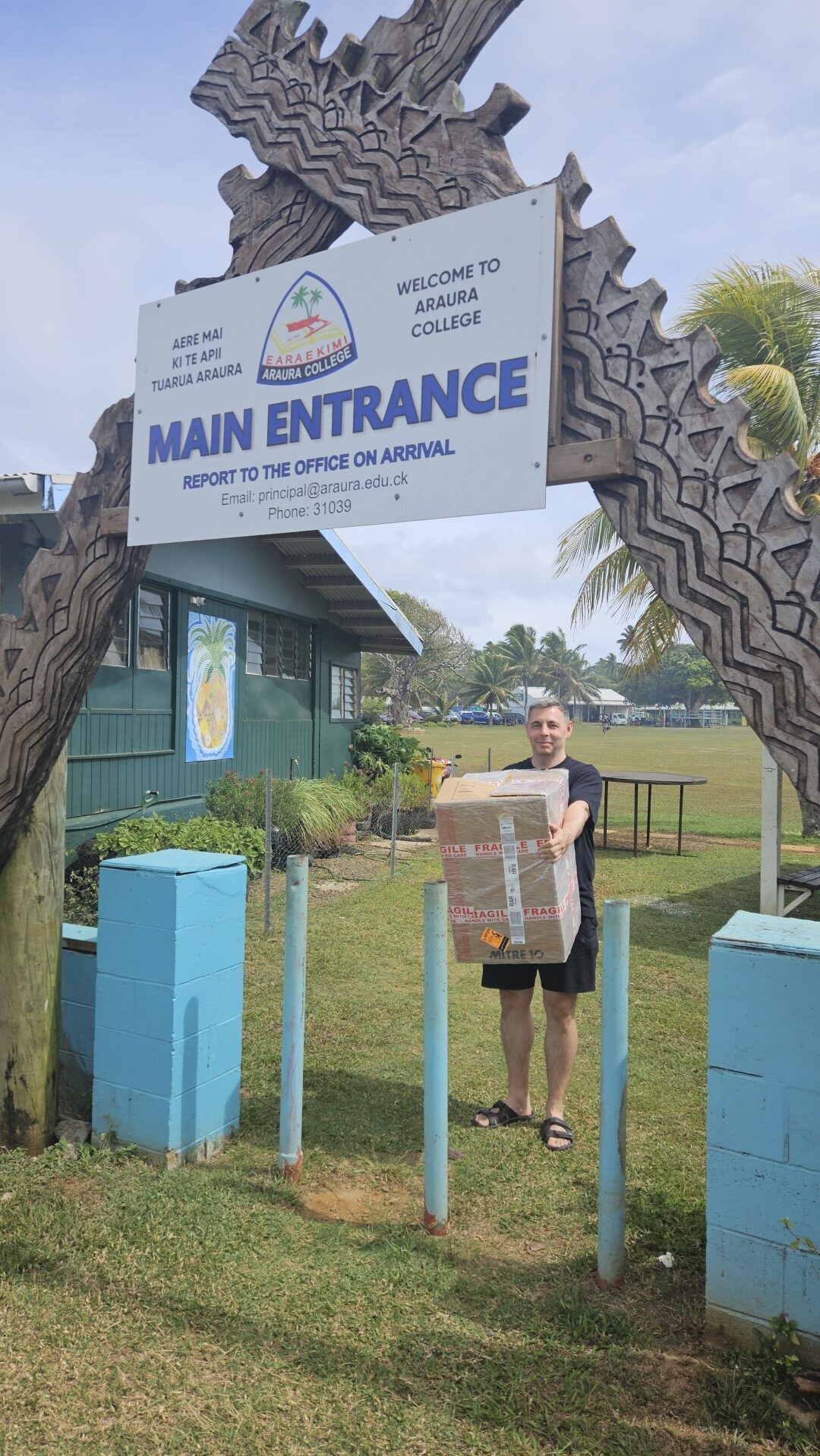
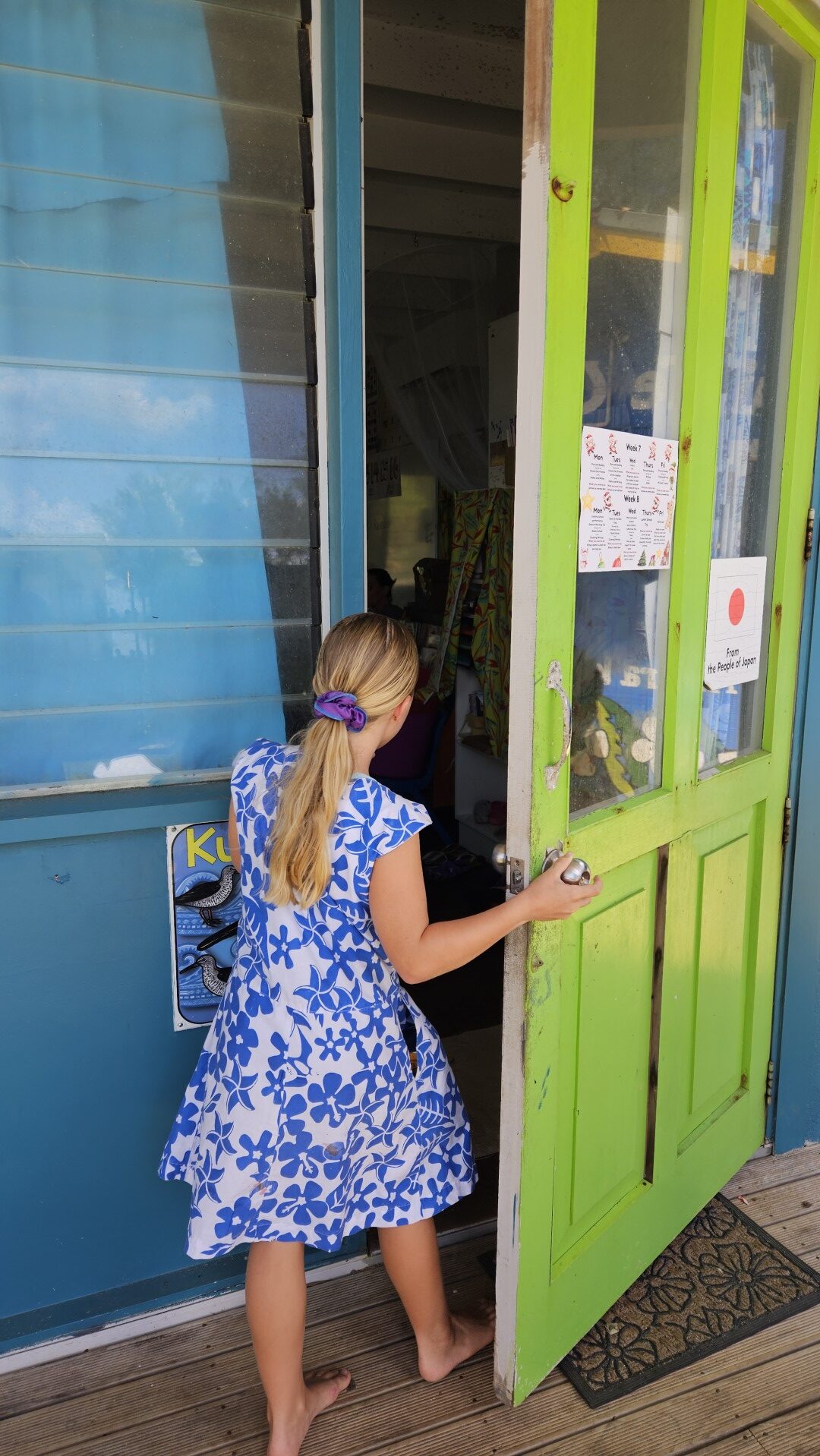
Over three dedicated project days, we travelled to the schools in Rarotonga and Aitutaki to deliver the equipment personally.